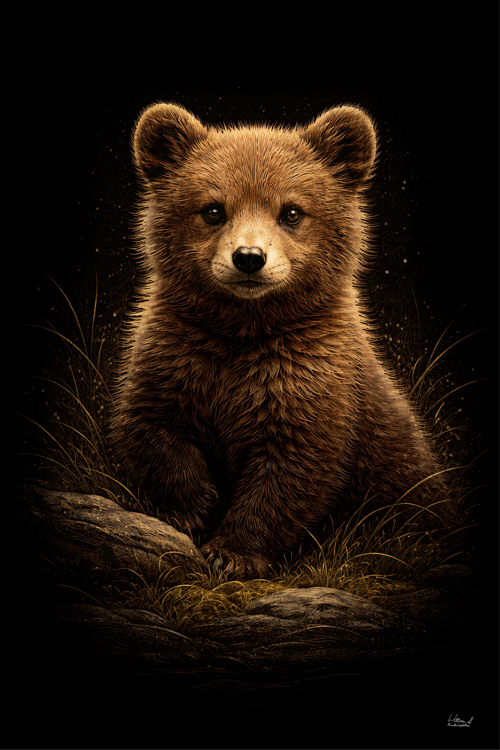
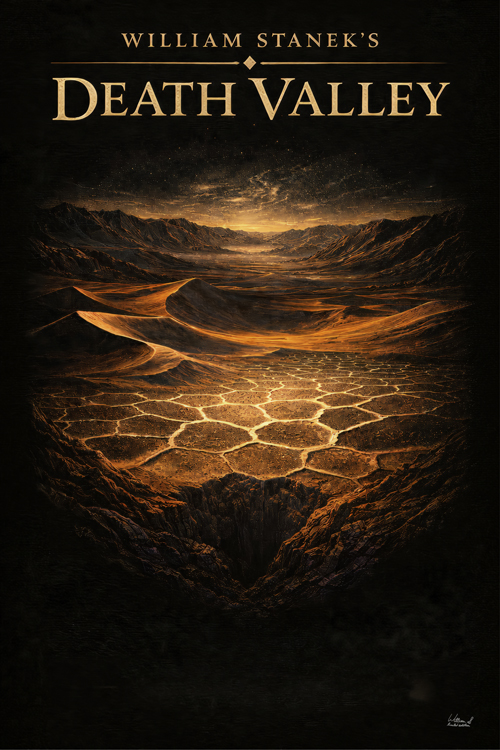
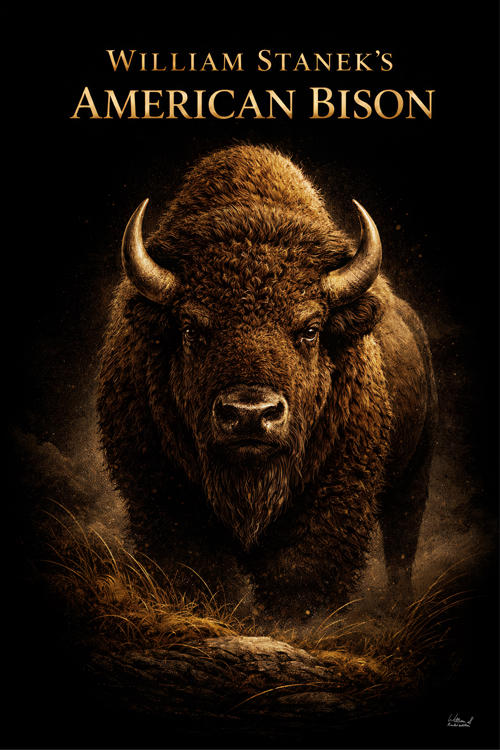
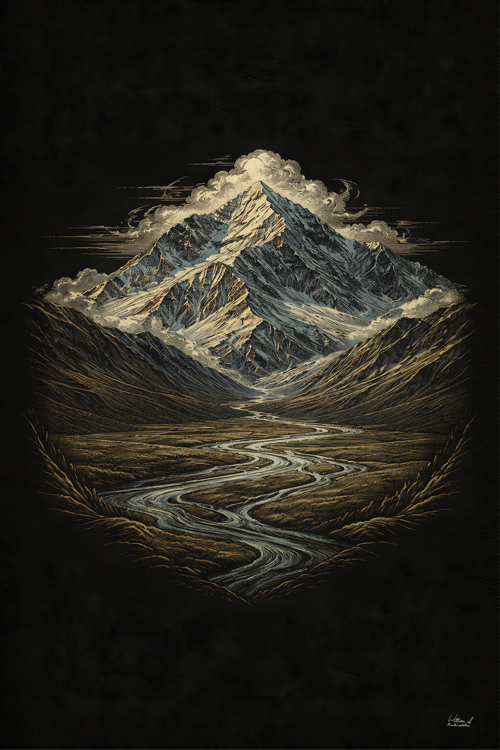
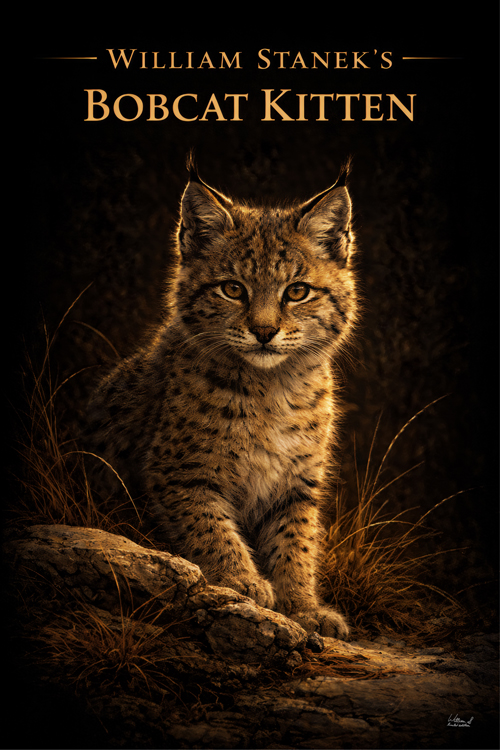
Collectors are surrounded by imagery. Very little of it feels rare. What distinguishes William Stanek’s National Park Art and Wildlife Art Honoring National Parks is not simply subject matter, but the union of symbolic depth, visual coherence, and emotional permanence. These works are built not merely to show recognizable places or animals, but to distill their identity into a serious collector language.
Buy is built in: this page supports both collections directly and always keeps the gallery purchase path visible.
Works That Stay Active in the Room
This page uses restrained mixed examples from both lines — National Park Art and Wildlife Art Honoring National Parks — to support the argument without turning the trust page into a full gallery.
Collectors Are Surrounded by Imagery. Very Little of It Feels Rare.
Scenic art is everywhere. So is wildlife imagery. Much of it is attractive. Much of it is familiar. But much of it gives up its full meaning in a glance.
These works are created differently. They are not built only to show a place or animal. They are built to distill its inner identity into a coherent, premium, emotionally durable visual language. That difference changes how the work lives in a room, how it rewards repeated attention, and how it supports both singular acquisition and long-term collecting.
Six Reasons Collectors Respond
1. Symbolic, Not Merely Scenic
A park becomes more than a view. An animal becomes more than likeness. The work seeks governing force and defining presence — fire, water, stone, weather, remoteness, instinct, silence, sovereignty, watchfulness, becoming.
2. A Unified Visual Language
Collectors are not stepping into disconnected experiments. They are entering a coherent visual world shaped by matte black field, luminous line, negative-space discipline, centered symbolic composition, and rare-object presence.
3. Serious National Park and Wildlife Work Without Cliché
The collections refuse tourism nostalgia, scenic poster language, bright souvenir aesthetics, sentimental wildlife imagery, and casual decorative nature art. They move in a darker, more distilled, more collectible direction.
4. Built for Repeated Looking
These works are designed not for novelty, but for return looking. A collector may first respond to silhouette, mood, metallic light, atmosphere, or tension. Over time the work deepens through memory, structure, and symbolic force.
5. Strong as Single Works or as a Library
A collector can begin with one beloved park, one creature, one mood, or one memory. But the work also supports larger collecting by region, atmosphere, symbolic intensity, or park-and-wildlife pairing.
6. It Speaks Across Collector Worlds
The collections can resonate with collectors of landscape art, symbolic art, literary art, natural-history art, American place-based work, interior designers, curators, and meaningful gift buyers.
What You Are Really Collecting
You are not only collecting a park image. You are collecting an interpretation of place.
You are not only collecting an animal image. You are collecting an interpretation of presence.
You are not only collecting decoration. You are collecting atmosphere, structure, memory, and symbolic meaning in visual form.
Because this is a value-and-trust page rather than a gallery page, the second image band remains supportive: another mixed group of National Park Art and Wildlife Art examples that reinforce the argument without overwhelming it.
Why This Work Matters in Designed Spaces
For designers and project buyers, the value is not only in the individual work, but in the system behind it. Because the collections share a disciplined visual language, they can be used in grouped installations, room narratives, region-based curation, or mixed place-and-creature compositions without losing coherence.
This makes the work especially strong for collector homes, studies and libraries, boutique hospitality projects, executive offices, retreat spaces, and curated residential interiors where atmosphere and seriousness matter more than visual noise.
The best gifts are not generic. They carry recognition. A beloved park. A remembered trip. A creature tied to character, endurance, innocence, force, winter, stillness, or memory. A family history written into landscape.
Because the work is rooted in emotional permanence, symbolic force, and place-based meaning, it can make an unusually strong gift for collectors, travelers, conservation-minded families, outdoor lovers, and people whose lives have been altered by a specific place in the American wild.
The Value Is in the Meaning — and in the Form That Can Hold It
William Stanek’s National Park Art and Wildlife Art Honoring National Parks are created for collectors who want more than scenic recognition or decorative beauty. They are for those who want work with atmosphere, structure, reverence, coherence, and lasting emotional presence.
Collectors respond not because the subjects are famous, but because the work gives those subjects a rarer form.